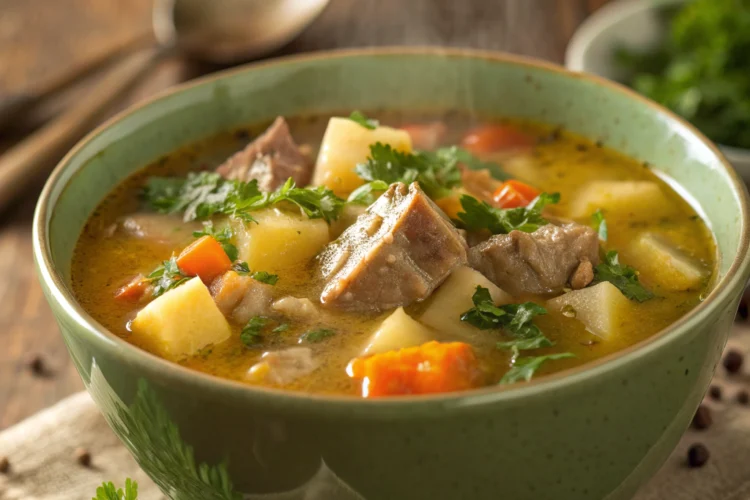
What if the secret to the most profoundly nourishing, soul-warming soup wasn’t found in a can, but locked deep inside the very bones that build a hearty meal? Forget thin, watery broths; we’re diving into a culinary tradition that transforms humble ingredients into liquid gold. This guide will walk you through creating the ultimate Marrow Bone Soup, a dish steeped in history and packed with unparalleled flavor and nutrients.
This recipe is more than just a meal; it’s an experience. It’s about slow-simmering comfort and extracting every last bit of goodness. The result is a silky, rich soup that feels both rustic and luxurious. It’s the kind of food that heals, comforts, and satisfies on a primal level. Get ready to master this timeless classic.
Ingredients List
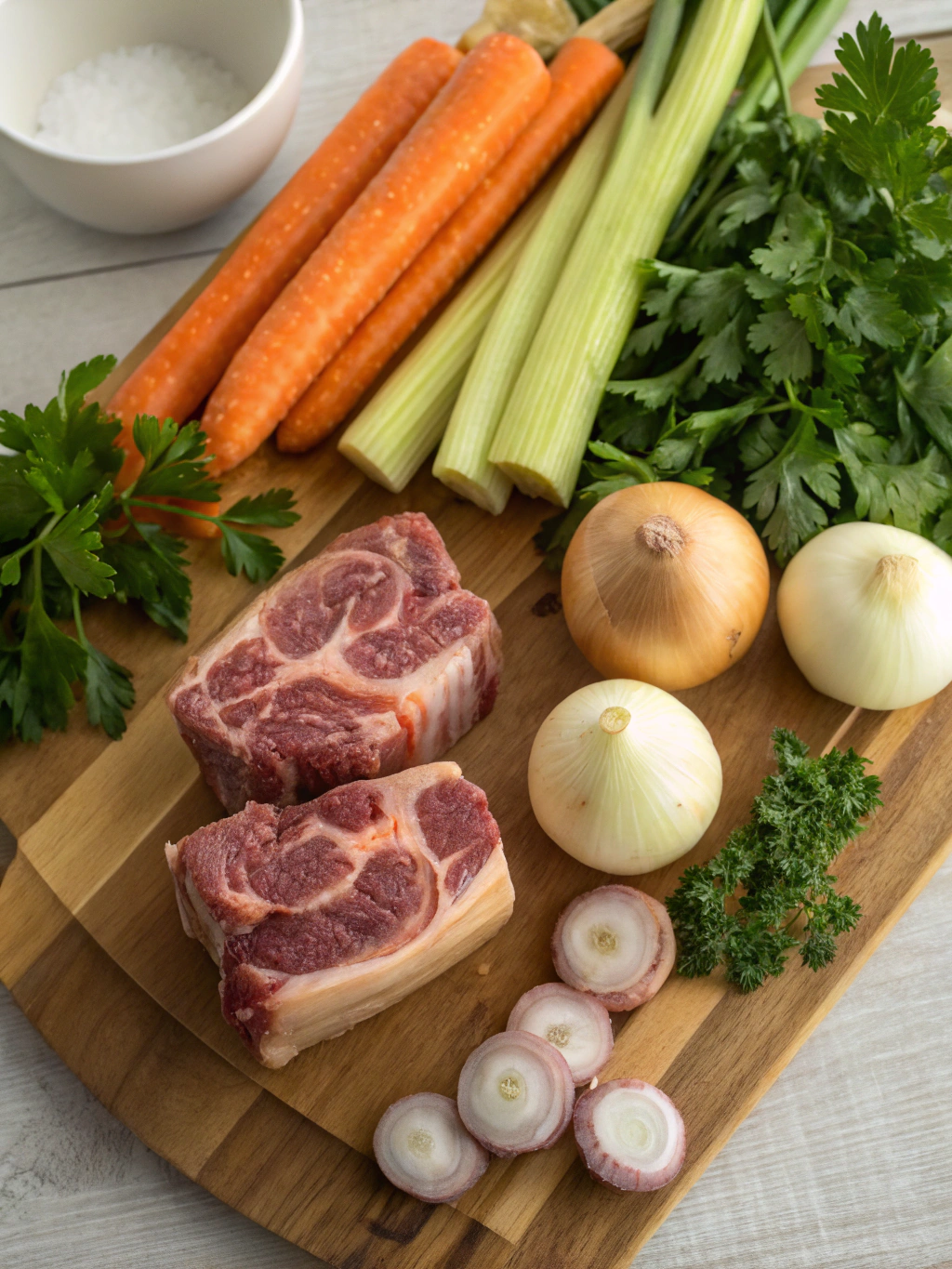
The beauty of this marrow bone soup lies in its simple, yet powerful, ingredients. Quality is key. Opt for grass-fed beef bones if possible, as they offer a superior nutritional profile and a richer, deeper flavor that defines the final dish.
- Beef Marrow Bones: 3-4 lbs, cut into 3-inch pieces. Ask your butcher for center-cut femur bones, as they are packed with the most marrow.
- Aromatics: 2 large yellow onions (unpeeled, halved), 2 large carrots (roughly chopped), 3 celery stalks (roughly chopped), 1 whole head of garlic (halved crosswise).
- Acid: 2 tablespoons of apple cider vinegar. This is crucial for helping to extract minerals from the bones.
- Herbs & Spices: 1 bay leaf, 5-6 whole black peppercorns, a small bunch of fresh parsley stems (save the leaves for garnish).
- Liquid: 12-16 cups of cold, filtered water. Enough to cover the bones and vegetables completely. You can supplement with a high-quality Beef stock for an even richer base.
- For Finishing: Sea salt and freshly ground black pepper to taste, and fresh parsley (chopped, for garnish).
Substitution Tip: Don’t have apple cider vinegar? A splash of white wine or lemon juice works too. For herbs, feel free to add a sprig of thyme or rosemary during the last hour of simmering for a different aromatic profile.
Timing
Patience is a virtue with this recipe, but the hands-on time is surprisingly minimal. The long, slow simmer is where the magic happens, breaking down connective tissues and releasing collagen and nutrients.
- Prep Time: 20 minutes
- Cook Time: 3-4 hours
- Total Time: 3.5 – 4.5 hours
While the total time seems long, the active preparation is just 20 minutes. This makes it a perfect weekend cooking project. Compared to a standard 60-minute chicken soup, this recipe invests more time to yield a broth that is exponentially richer in both flavor and nutritional density.
Step-by-Step Instructions
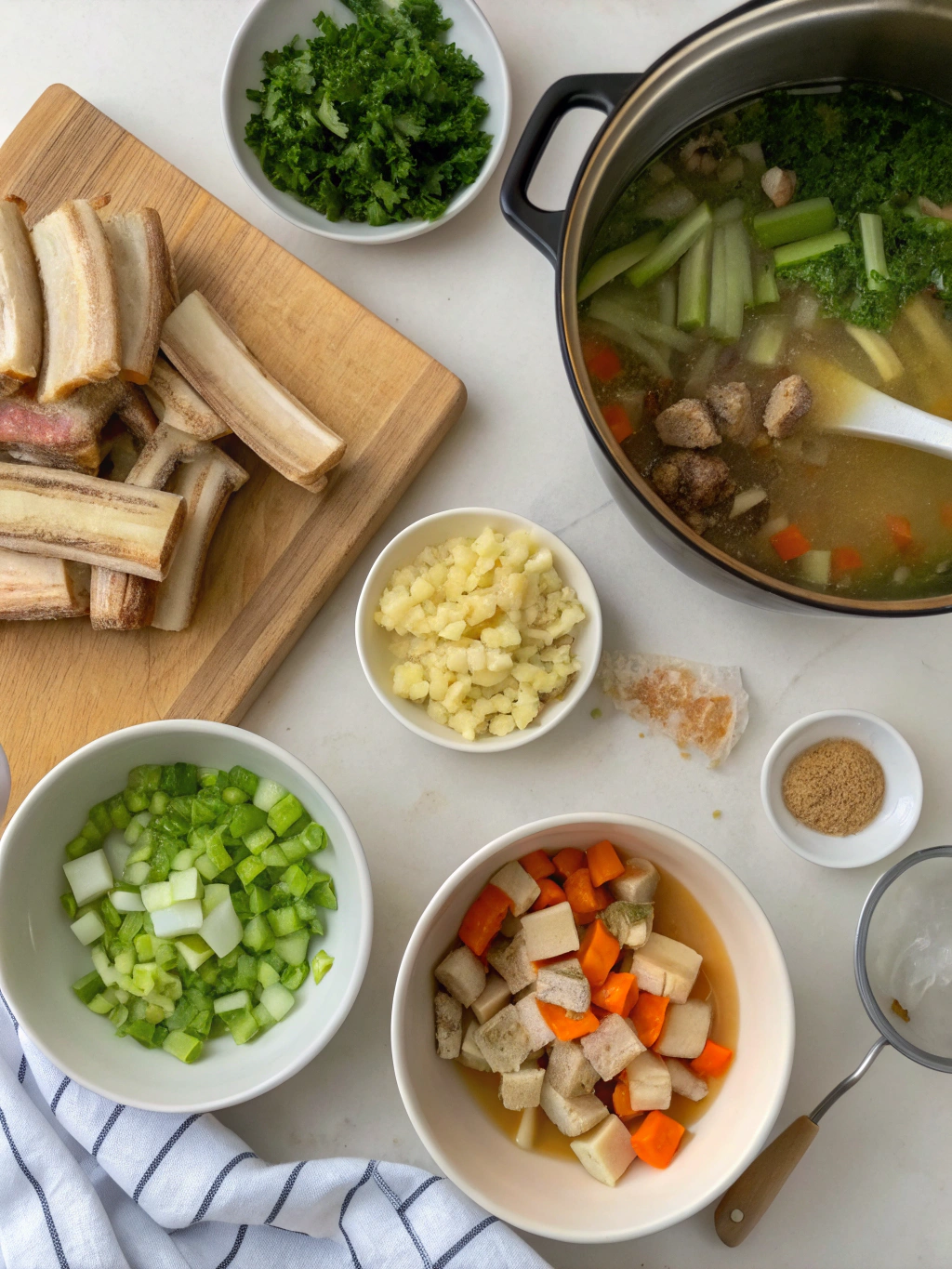
Follow these steps carefully to build layers of flavor. Each stage is designed to maximize the depth and richness of your final soup. Don’t rush the process; good soup takes time.
Step 1: Roast the Bones and Vegetables
Preheat your oven to 400°F (200°C). Spread the marrow bones, halved onions, carrots, and celery on a large baking sheet. Roast for 30-40 minutes, or until the bones are deeply browned and the vegetables are caramelized. This step is non-negotiable for a deep, savory flavor. It’s the foundation of a great Marrow Bone Soup.
Step 2: Deglaze the Pan
Once roasted, transfer the bones and vegetables to a large stockpot. You’ll notice browned bits (fond) stuck to the baking sheet. Place the sheet over your stovetop on low heat and pour about a cup of water onto it. Scrape up all those flavorful bits with a wooden spoon and pour this liquid directly into your stockpot. This is pure flavor you don’t want to waste!
Step 3: The Long Simmer
Add the halved garlic head, bay leaf, peppercorns, parsley stems, and apple cider vinegar to the pot. Pour in enough cold water to cover everything by at least two inches. Bring the pot to a gentle boil, then immediately reduce the heat to low. You want a bare simmer, with only a few bubbles breaking the surface. Skim off any foam or scum that rises to the top during the first 30 minutes.
- Cover the pot partially, leaving a small gap for steam to escape.
- Let it simmer gently for at least 3 hours, and up to 4 for maximum flavor extraction.
- Check the water level occasionally, adding more hot water if needed to keep the bones submerged.
Step 4: Strain for a Silky Broth
After simmering, carefully remove the large bones and vegetables with tongs. Place a fine-mesh sieve over a large bowl or another clean pot and pour the broth through it to remove all the small solids. For an exceptionally clear broth, you can line the sieve with cheesecloth. Discard the spent vegetables and aromatics.
Step 5: Harvest the Liquid Gold
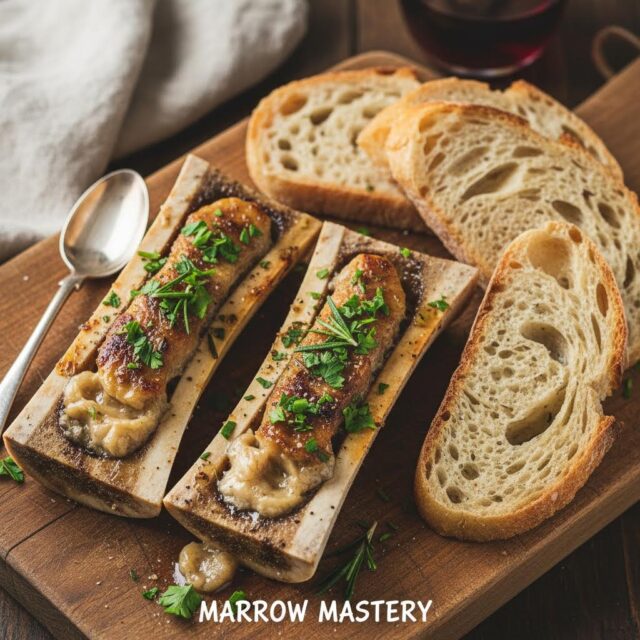
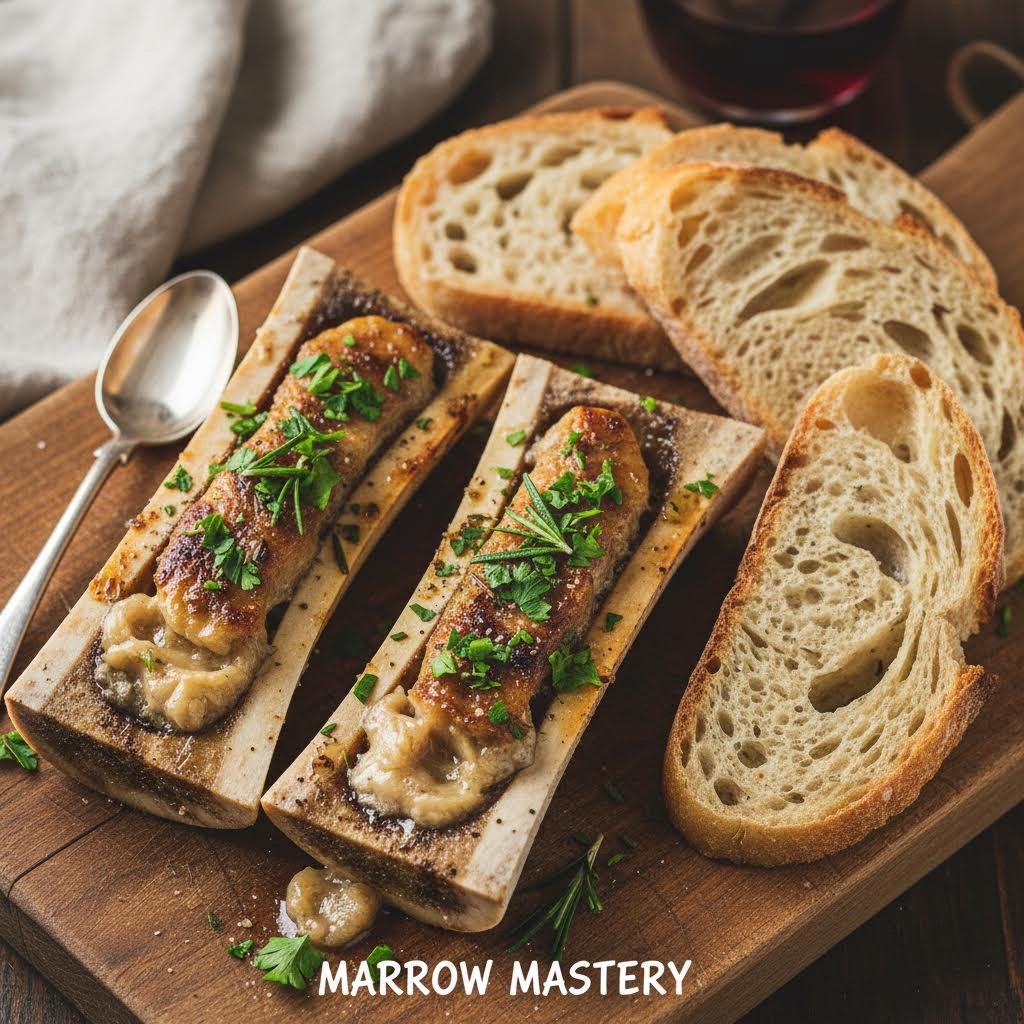
The marrow inside the roasted bones is now soft, rich, and ready. Use a small, narrow spoon or the handle of a teaspoon to gently scoop the marrow out of the bones. You can either whisk this precious marrow directly into the strained broth to add a creamy richness, or you can save it to spread on toast points for a decadent appetizer.
Step 6: Final Seasoning and Assembly
Return your beautifully strained and enriched broth to the stove over medium heat. Now is the time to season it. Add sea salt and freshly ground black pepper gradually, tasting as you go until the flavor is perfectly balanced. The soup is now ready to be served as is, or you can add cooked noodles, rice, or shredded meat to make it a more substantial meal.
Nutritional Information
This traditional soup is a nutritional powerhouse. Bone marrow itself is rich in healthy fats, including conjugated linoleic acid (CLA), which has been linked to reduced inflammation. The broth is a primary source of collagen and gelatin, which are fantastic for supporting joint, skin, and gut health. A 2017 study highlighted how components in bone broth can support the immune system.
The slow-simmering process also leaches valuable minerals from the bones, such as calcium, magnesium, and phosphorus. This makes every spoonful not just delicious, but also incredibly restorative. It’s a functional food that has been cherished across cultures for centuries for its healing properties.
Healthier Alternatives for the Bone Marrow Soup Recipe
While this recipe is inherently healthy, you can tweak it to meet specific dietary goals. Here are a few ideas to enhance its nutritional profile even further:
- Load Up on Greens: Stir in a few handfuls of spinach or chopped kale during the last 5 minutes of reheating for a boost of vitamins and fiber.
- Add Lean Protein: To make it a complete meal, add shredded chicken breast or lean beef after straining the broth.
- Herbaceous Boost: Increase the amount of fresh herbs like parsley, cilantro, or dill at the end. These add fresh flavor and a host of phytonutrients without extra calories.
- Lower Sodium: If you’re watching your salt intake, be mindful during the final seasoning step. Use herbs and a squeeze of lemon juice to enhance flavor instead of relying solely on salt.
Serving Suggestions
How you serve this soup can elevate it from a simple broth to a memorable dining experience. It’s a versatile base that welcomes creativity.
- The Classic: Serve steaming hot in a deep bowl, garnished with a generous amount of finely chopped fresh parsley and a crack of black pepper.
- With Gremolata: Top with a simple gremolata (chopped parsley, lemon zest, and garlic) for a bright, zesty contrast to the rich broth.
- As a Noodle Soup: Add cooked ramen, udon, or egg noodles and a soft-boiled egg for a satisfying, ramen-style meal.
- With Marrow Toasts: Serve the clear broth in mugs alongside crusty bread topped with the reserved, savory bone marrow.
Common Mistakes to Avoid
Making a truly great Marrow Bone Soup is easy if you avoid these common pitfalls. Attention to detail is what separates a good soup from a spectacular one.
- Boiling Instead of Simmering: A rolling boil will make your broth cloudy and can break down the delicate gelatin. Always maintain a gentle, lazy simmer.
- Skipping the Roasting Step: Not roasting the bones is the biggest mistake. You’ll miss out on the Maillard reaction, which creates the deep, complex, and savory flavors essential to this soup.
- Forgetting to Skim: The initial foam that rises to the surface consists of impurities. Skimming it off ensures a cleaner-tasting and clearer final product.
- Seasoning Too Early: The broth will